Rising risk and aging infrastructure
Sea level rise, storms, erosion, and aging assets are increasing demands on coastal infrastructure.
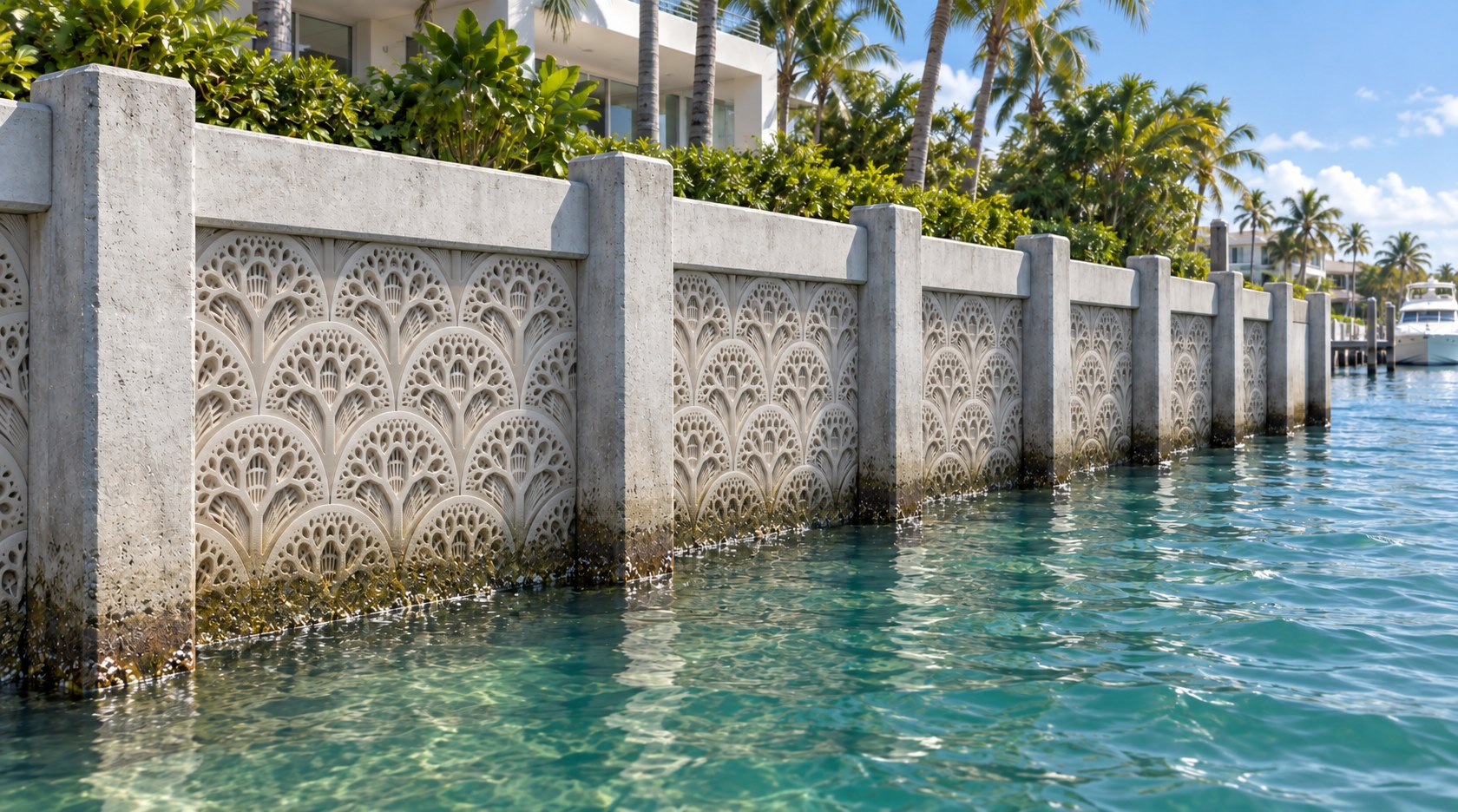
REEFLINE Solutions brings art, ecology, engineering, architecture, material science, and technology together from the beginning to create coastal infrastructure that protects shorelines, supports marine life, and celebrates the beauty of the ocean.
Engineered for resilience. Designed for life. Made to inspire.
Explore our solutionsWhat we do
REEFLINE Solutions is the commercial innovation arm of REEFLINE, transforming cross-disciplinary research, design, and real-world deployment experience into scalable coastal infrastructure.
Discover our approachWhy we are different
REEFLINE Solutions brings art, ecology, engineering, architecture, material science, and technology together from the beginning.
We design with life and beauty in mind. Beauty is a core value that shapes the work from the outset. The coast is an ecosystem, a public realm, a cultural landmark, and a place people call home.
From Art Deco to Art EcoInspired by Miami Beach’s Art Deco heritage, we bring that same commitment to beauty into an ecological approach to the waterfront.
Issues we are solving
Our coast is a landmark: iconic, beautiful, and worth protecting. The beauty of the ocean shapes our identity and everyday life. Rising seas, habitat loss, and growing costs put that shared landscape at risk. We address these challenges together to protect the places that make the coast extraordinary.
Sea level rise, storms, erosion, and aging assets are increasing demands on coastal infrastructure.
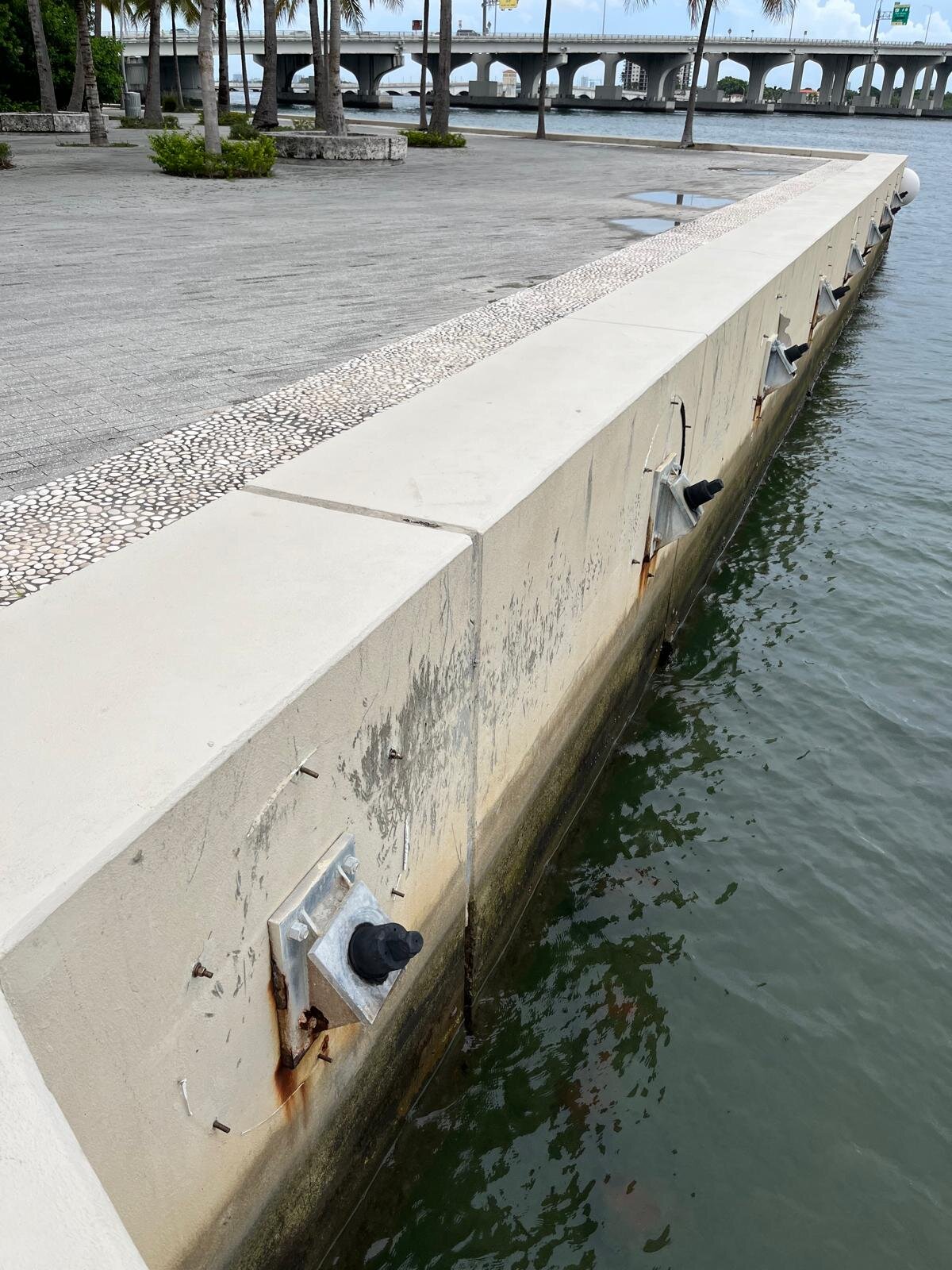
Conventional smooth concrete offers limited habitat complexity compared with natural shorelines.
Traditional replacement is expensive, disruptive, and resource intensive.
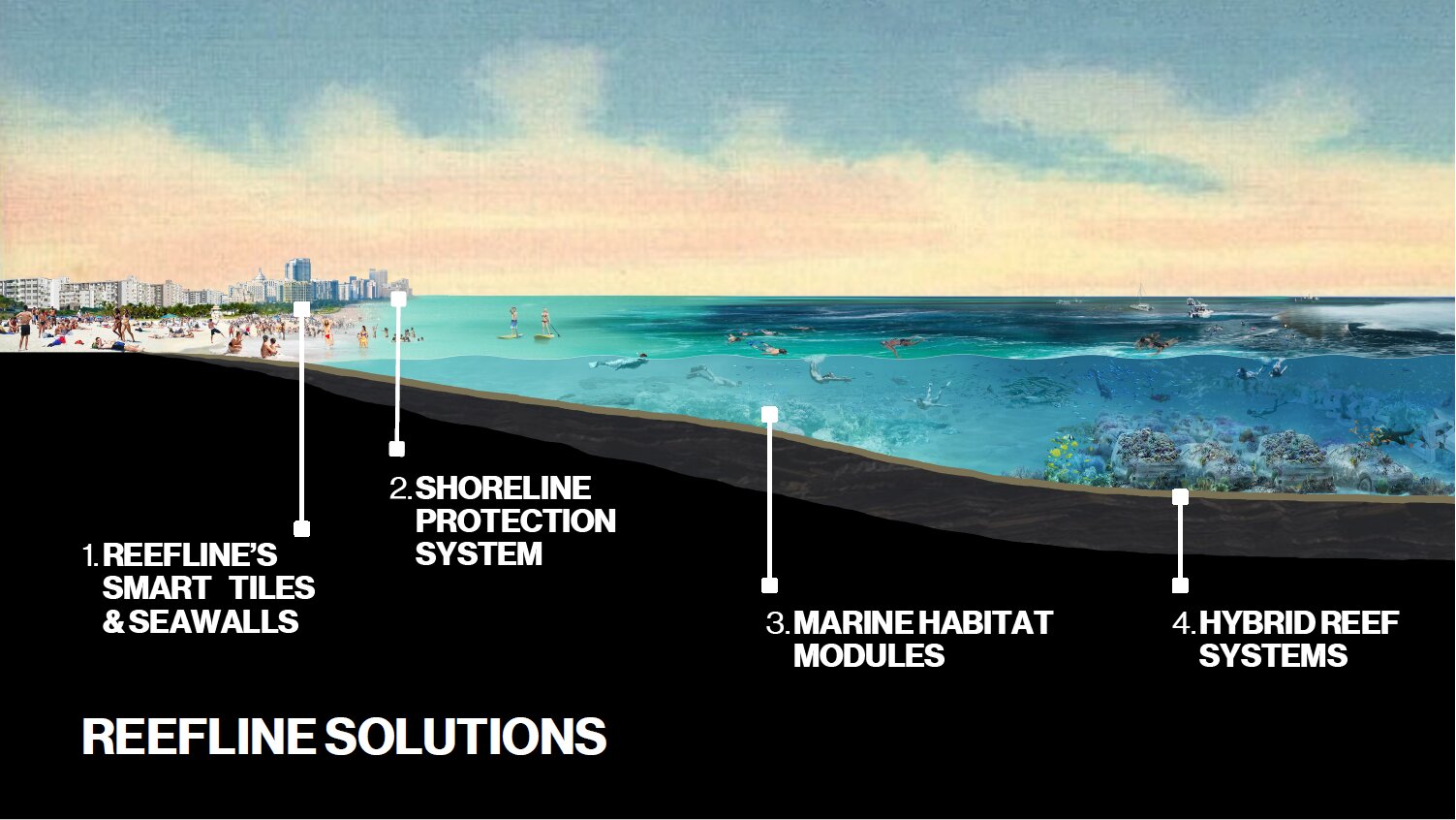
01Our solutionsREEFLINE Smart Tiles and Seawalls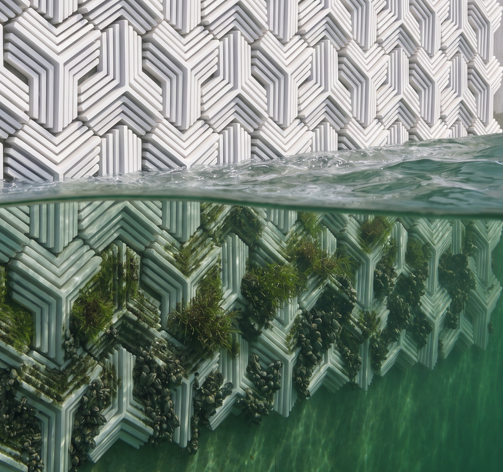 02Our solutionsShoreline Protection System
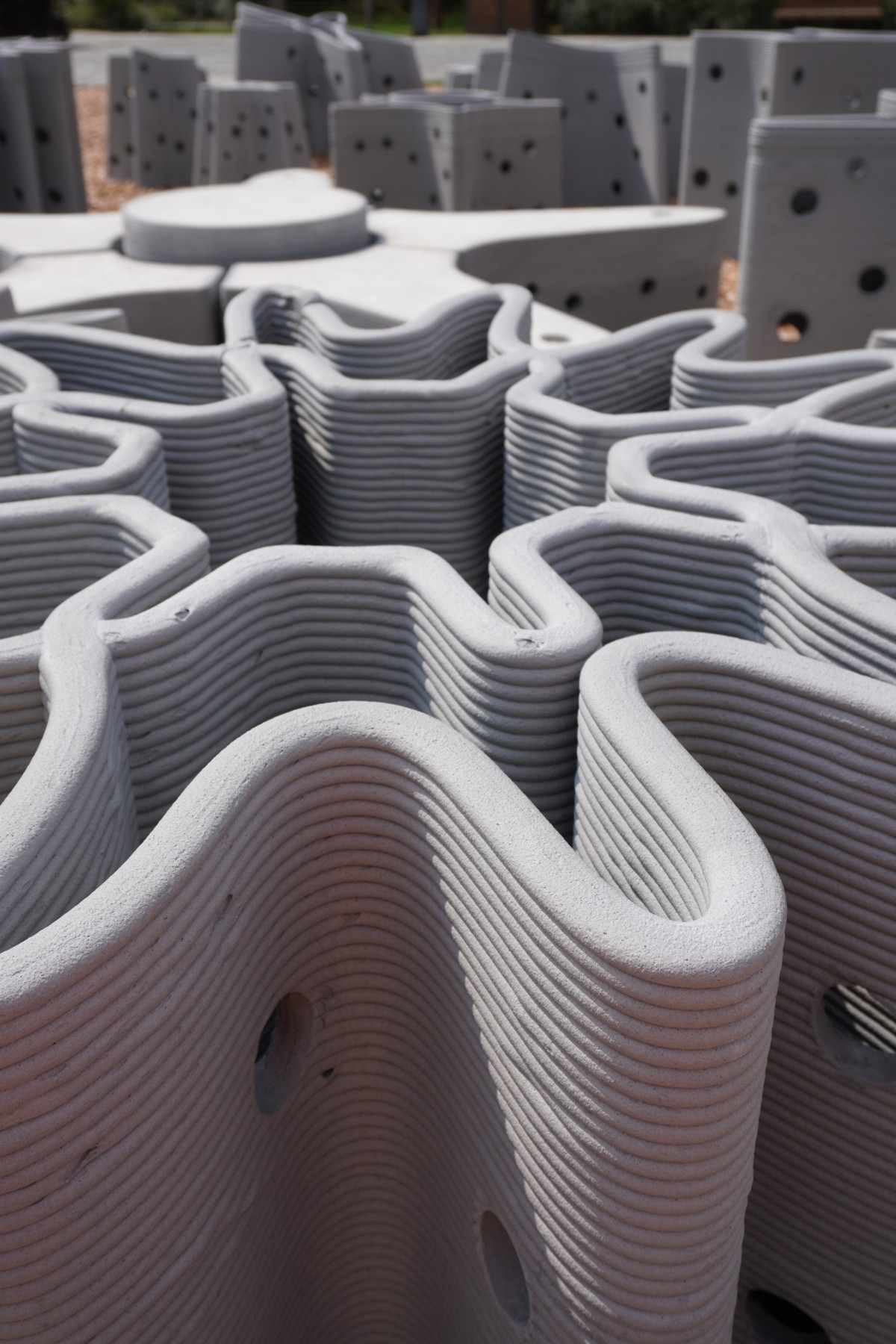 03Our solutionsMarine Habitat Modules
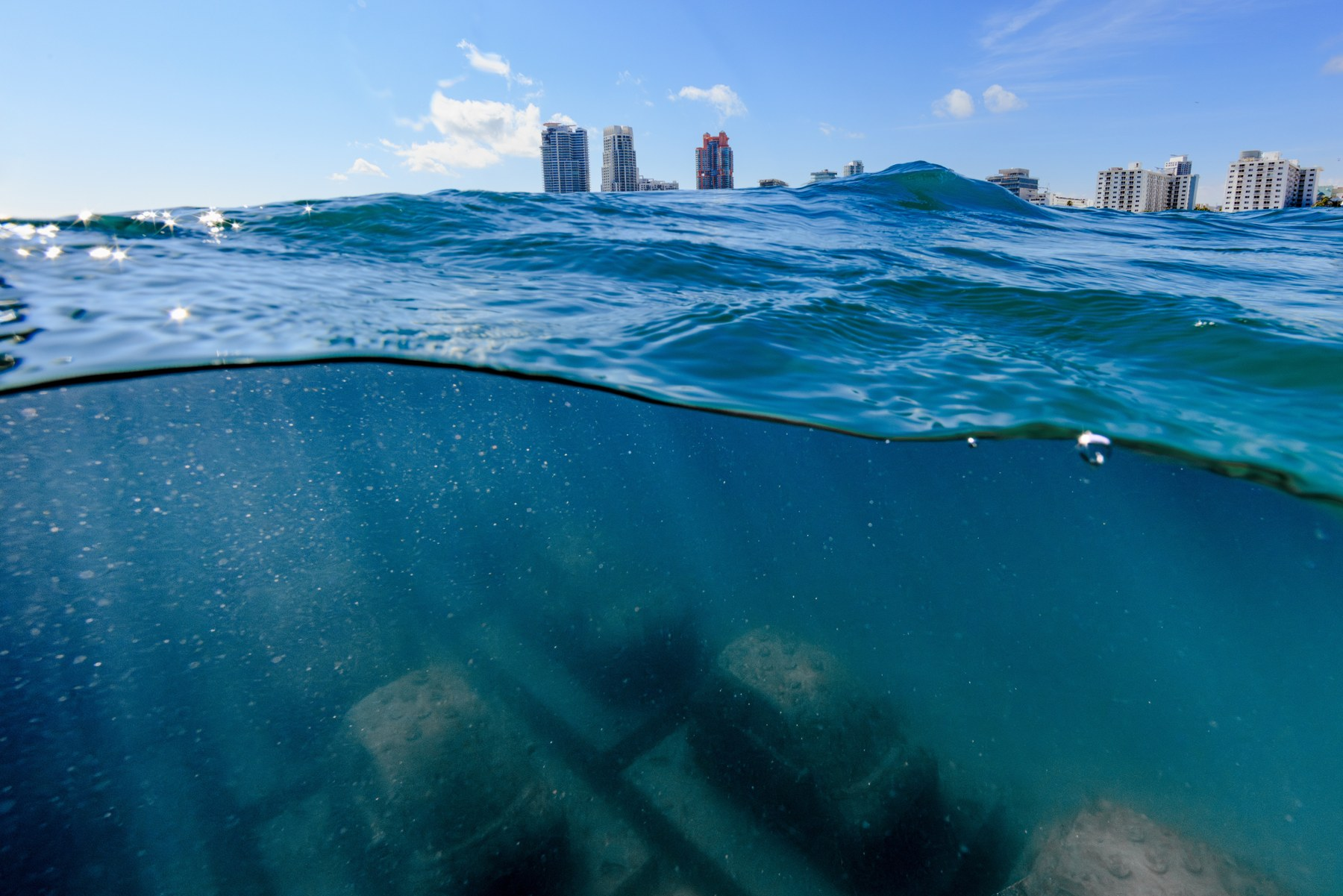 04Our solutionsHybrid Reef Systems
Design partner
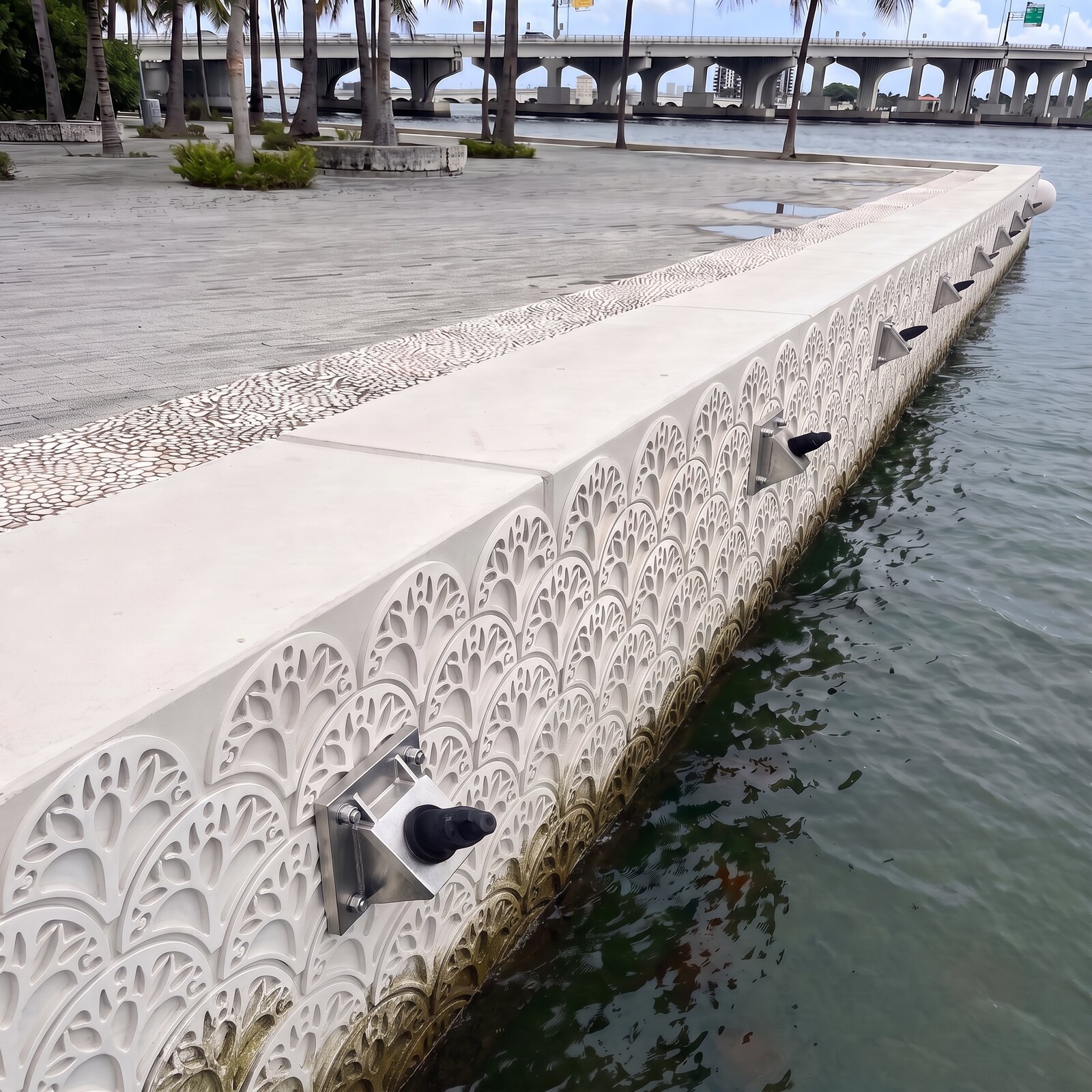
OMA (Office for Metropolitan Architecture) is an international architecture and urbanism practice founded in 1975 by Rem Koolhaas. Its work spans buildings, master plans, and research, with a focus on how design shapes public life. OMA's New York office, led by partner Shohei Shigematsu, designed the master plan for REEFLINE. The studio has carried that thinking into REEFLINE Smart Tiles, a system of modular concrete tiles that turns ordinary seawalls into living reef habitat.
Explore REEFLINE Smart Tiles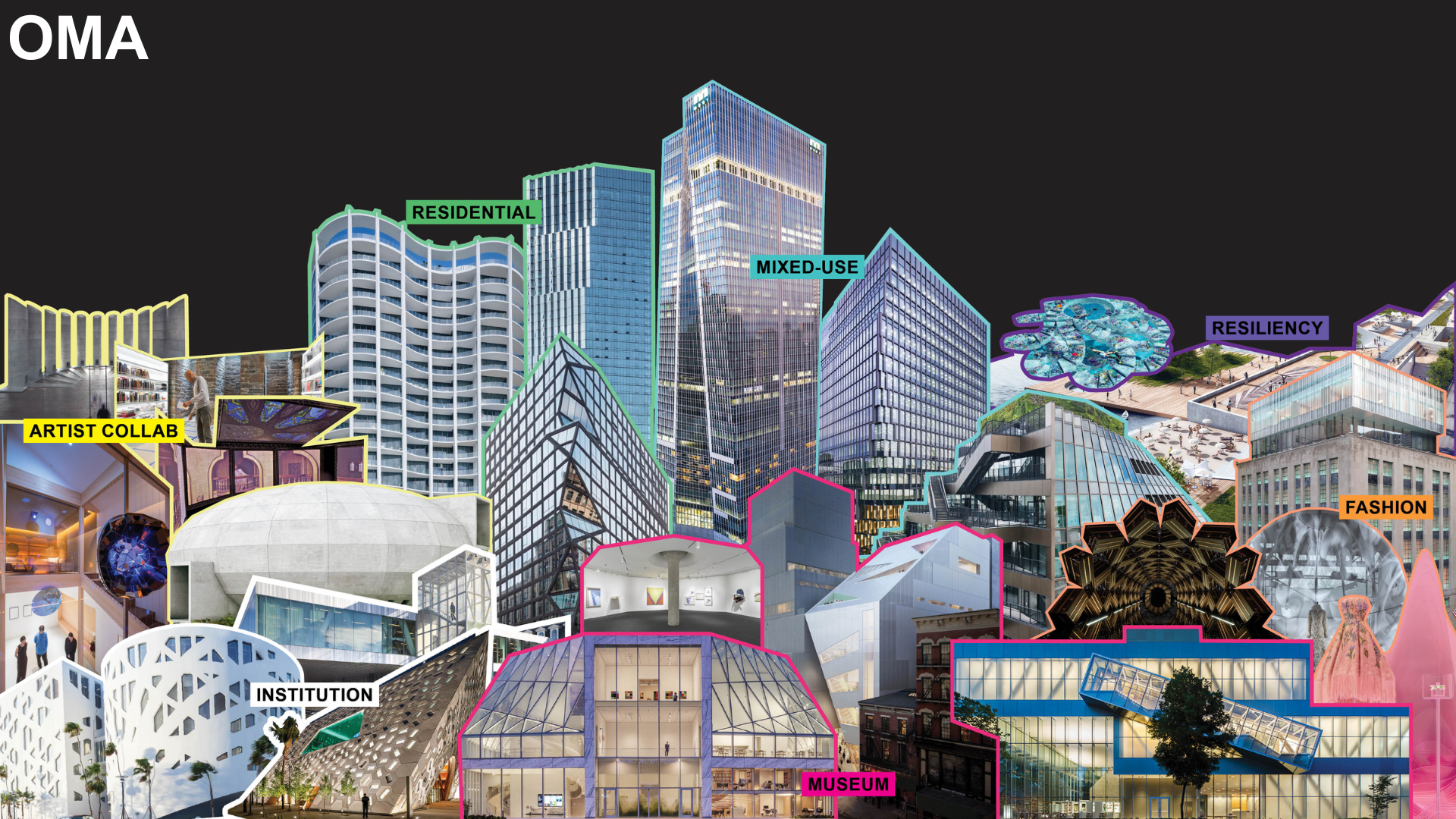
What our systems do
Five target outcomes across one living shoreline.
Living waterfront edges combine resilience, habitat, and exceptional design. Healthier shorelines and better-performing infrastructure can strengthen the long-term value and appeal of waterfront assets.
Modular systems make repairs more targeted. Individual sections can be repaired or replaced without rebuilding an entire seawall.
Textured marine concrete introduces the grooves, crevices, and shelter that flat seawalls lack, creating surfaces for coral, oysters, fish, and other marine life.
Marine-grade systems are designed for prolonged saltwater exposure while protecting the underlying wall and making future maintenance more targeted.
High-performance concrete delivers durability above and below the waterline, improving resistance to impact, abrasion, and demanding marine conditions.
All figures are target outcomes based on design modeling and will be validated through field monitoring.
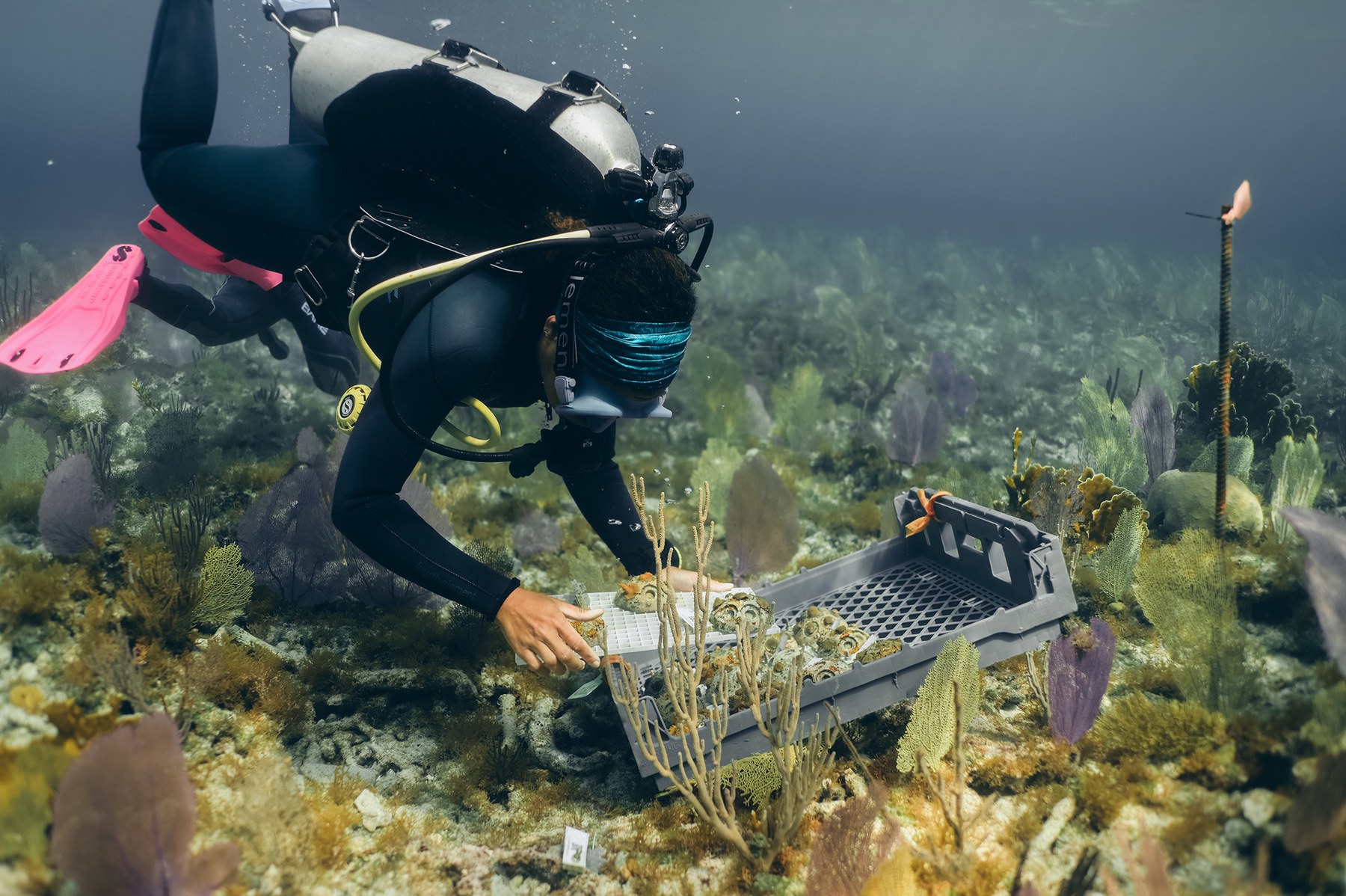
Coral Vita

The intelligence and monitoring layer supporting REEFLINE Solutions.
TIME Best Inventions 2025
Explore BrainCoralVisit Coral VitaWhy now
Faster approvals
Cities and regulators are creating clearer pathways for habitat-enhancing retrofits and nature-based coastal systems.
Measurable resilience
Owners, regulators, insurers, and investors increasingly expect infrastructure to demonstrate physical, ecological, and lifecycle performance.
Florida is an early proof point for the model, not the limit.